
What three leading voices in the hosting-channel visibility space revealed at CloudFest 2026 about where SMB online presence is actually heading.
At CloudFest this year, I had separate conversations with Daniel Stanica (Competico), Daniel Wette (rankingCoach), and Wences Garcia (marketgoo). Three sharp observers of the SMB visibility space. Three separate chats. One unmistakable signal:
The old SEO still matters. But the definition of visibility just quietly expanded. And most products in our channel haven’t caught up yet.
The Market Has Moved From Talk to Buying Mode
For the first time this year, hosting providers were raising AI visibility questions unprompted. Not “Should we care about this?” but “What do we sell our customers for this?”
That shift from education to buying mode tells you something real: the market has moved.
What’s changing:
- 48% of Google searches now show an AI-generated answer (March 2026)
- 93% of Google AI Mode sessions end without a click to any website
- 38% of AI citations come from top-10 ranked pages. The rest come from anywhere.
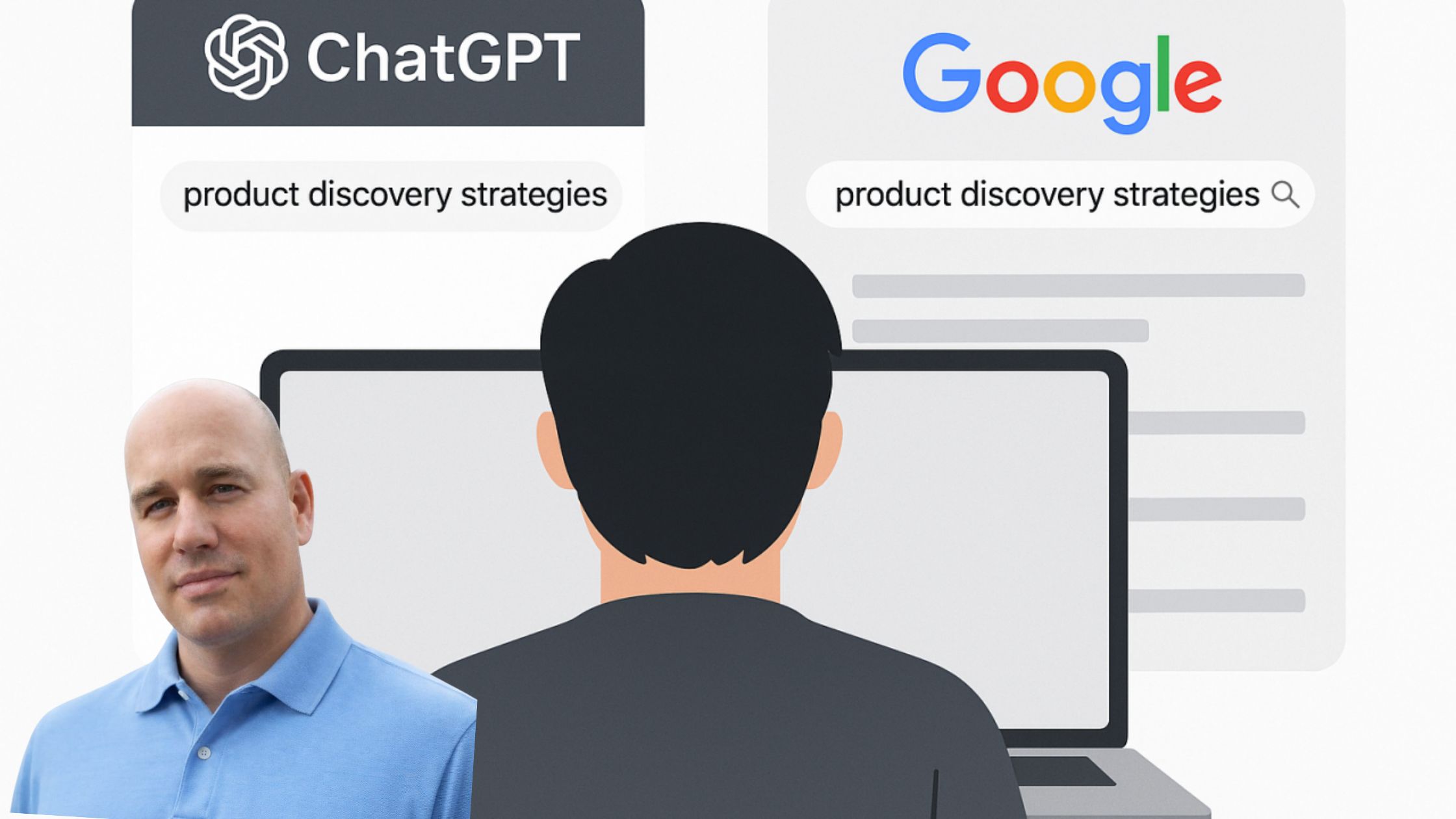
The nuance most miss: this doesn’t mean Google doesn’t matter anymore. It does. The businesses winning in 2026 aren’t abandoning SEO. They’re recognizing that visibility now requires showing up in three places at once:
- Traditional Google results (still driving massive traffic)
- AI-generated answers across ChatGPT, Perplexity, Google AI Mode
- LinkedIn, review platforms, and directories that LLMs actively crawl to contextualize businesses
Google’s John Mueller put it plainly at Search Live in December 2025: there is no AEO without SEO fundamentals. The new layer sits on top, it doesn’t replace.
What the Leading Players Are Already Building
rankingCoach is expanding beyond its core SEO/SEM/social suite (38 countries, thousands of hosting partners) toward multi-engine AI search visibility. The shift reflects what its hosting partners are hearing directly from SMBs: visibility means more than Google ranking.
marketgoo, the white-label SEO platform built specifically for hosting resellers, is moving in two directions simultaneously. Its positioning is shifting toward multi-surface visibility as AI search becomes table-stakes. And its delivery model is evolving toward agentic AI—Flavio, an AI agent that guides SME users through visibility improvements rather than leaving them to navigate alone.
Competico is actively pitching AI visibility audits and what it calls “GEO advisory”—positioning AI optimization as the next discipline after traditional SEO.
These aren’t startups making speculative bets. These are established players with deep channel relationships and customer trust. When they move, the demand is real.
The Gap Your SME Customers Face at Launch
Here’s what most of us in the channel are quietly aware of:
The product portfolio we hand to SMEs at the moment of launch is still built around the old version of visibility. A website. Some basic tooling. Done.
What it’s not built around is multi-surface brand presence. Consistent signals across the platforms where customers now look. Structured, machine-readable content. A social footprint LLMs can actually find and cite. The kind of brand clarity that lets an AI model confidently place a business in context.
Small businesses launching today are invisible to this new layer before they’ve typed a single word of content. And most have no idea—because none of the products we sell them at launch tells them otherwise.
The hosting channel sits at the moment of launch. That’s the only moment where you can build comprehensive brand presence from day one, rather than retrofitting it later.
Why This Gap Matters
This is exactly what drove the thinking behind BrandForge, one of the white-label AI brand creation platform for hosting providers. Watching the market shift, seeing rankingCoach and marketgoo racing to cover the optimization layer made one thing obvious: there’s a critical gap at the foundation.
rankingCoach and marketgoo are solving the optimization problem brilliantly. But optimization only works if there’s something coherent to optimize. The SMEs launching through hosting partners today start with fragmented brand signals, or no signals at all. They’re invisible to AI before they’ve even begun.
The insight from CloudFest crystallized it: the hosting channel’s moment of advantage is at launch. That’s when you can build brand presence in from the beginning, not retrofit it later.
What This Means for Your Reseller Strategy
When an SME launches through you, they should start with:
- A complete, consistent brand identity across every surface
- A website structured for both traditional search and AI readability from day one
- Social media presence across the platforms LLMs actively crawl
- Consistent brand signals that give AI models enough context to cite and recommend them
rankingCoach and marketgoo are building the optimization layer. White-label brand creation platforms are closing the foundation gap, ensuring customers launch with brand clarity built in from day one, rather than bolting it on later.
The hosting providers winning in 2026 won’t be the ones with the most tools. They’ll be the ones whose customers start with a brand worth optimizing.

Michiel Grotenhuis
With over 20 years in the web hosting industry, Michiel Grotenhuis is the CEO and co-founder of BrandForge, an AI-powered white-label brand creation platform built for hosting providers, registrars, and agencies.