
The history of the web is a series of barriers collapsing.
Two decades ago, getting a business online was a feat of engineering. The emergence of Content Management Systems (CMS), led by WordPress, changed the game by shifting the focus from writing code to managing content. This shift didn’t just empower creators; it reshaped the entire hosting industry. Providers moved from selling “generic space” to offering specialized WordPress environments, eventually evolving into the managed hosting powerhouses we see today.
Then came the “Page Builder Explosion.” Over a decade ago, tools like Elementor began to fundamentally change the design-to-delivery pipeline. For agencies, the “visual-first” workflow meant they could prototype in real-time, bypass development bottlenecks, and scale client delivery at a pace previously unthinkable. Elementor didn’t just become a plugin; it became the infrastructure for the modern agency.
Today, we are standing at the precipice of the third great shift: The Agentic Era.
From Visual Building to Agentic Creation
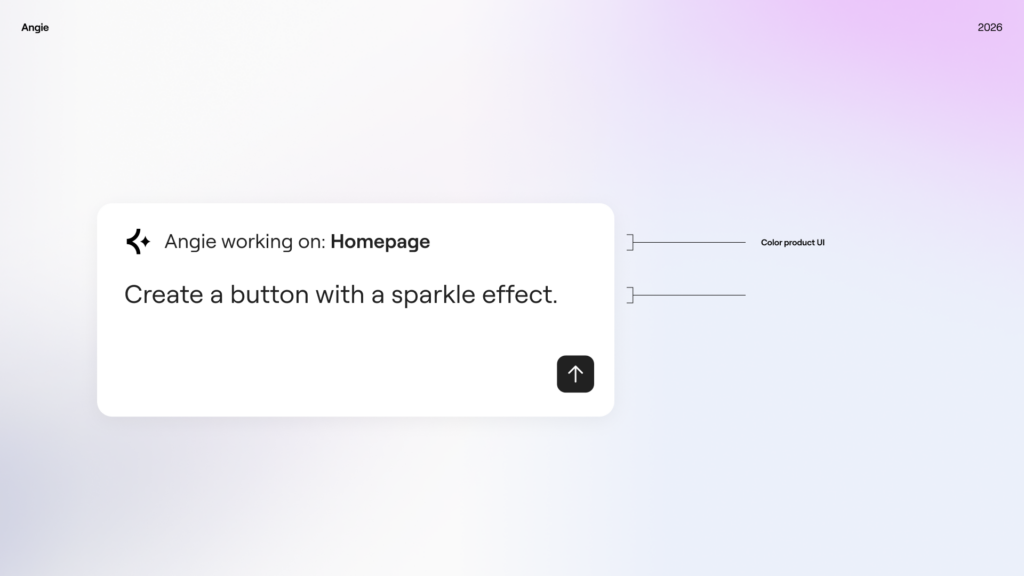
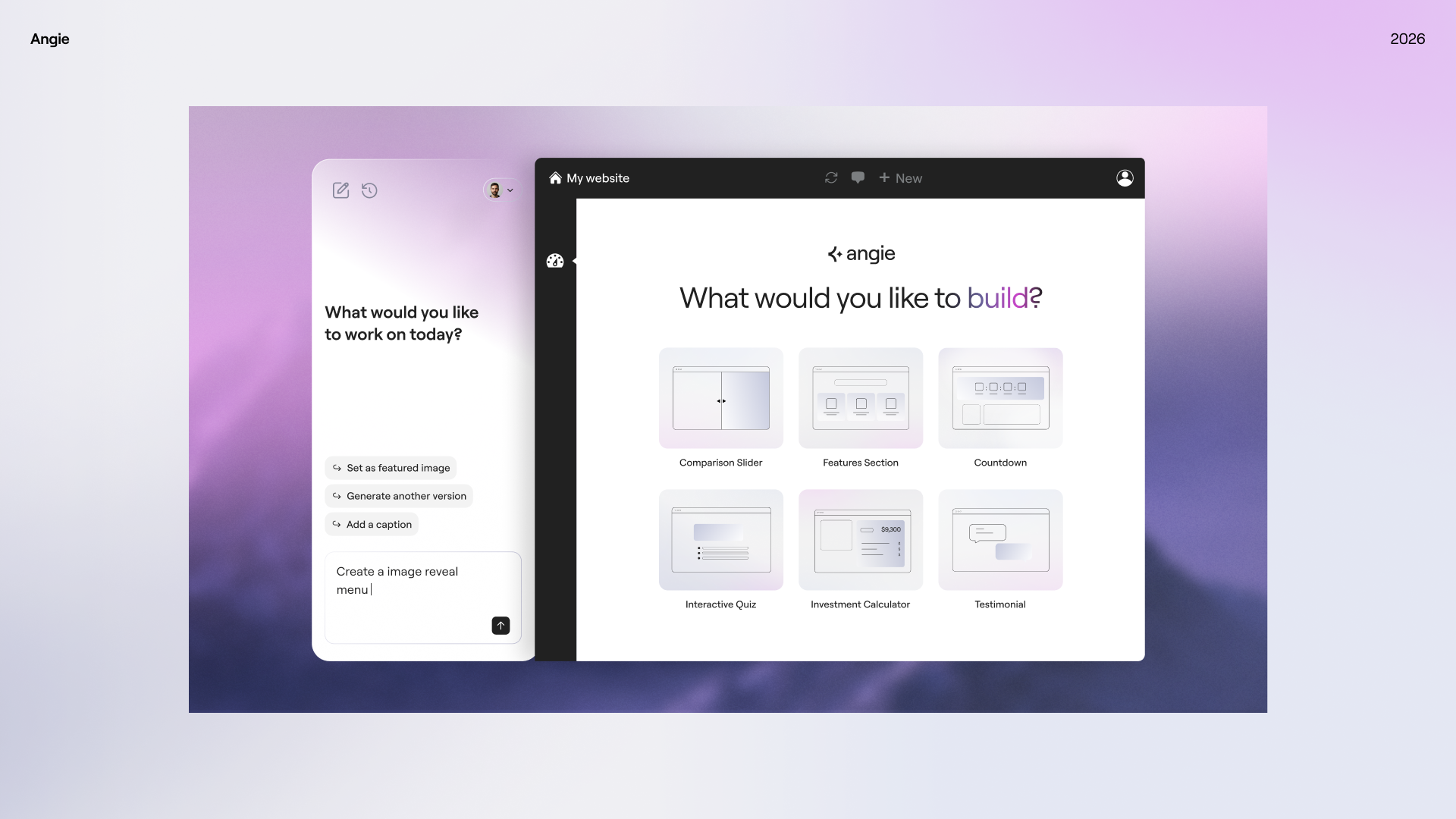
With the launch of Elementor One, we are seeing the early signals of a shift toward AI-assisted site creation and automation at scale. Central to this evolution is Angie, the world’s first Agentic AI plugin for WordPress—and a flagship component of the Elementor One suite.
Angie represents a paradigm shift. Unlike standard AI layers that simply generate a block of text or an image, Angie is “Agentic.” This means it doesn’t just chat; it acts.
The New Standard: As a part of the Elementor One subscription, Angie provides agencies with a dedicated AI developer that works across the entire WordPress ecosystem—not just within the Elementor editor.
Why Elementor One is Infrastructure, Not Just a Plugin
For web creators and agencies, Elementor One is the manifestation of this new reality. It consolidates design, AI generation, image optimization, and site management into a single, unified subscription. By including Angie, Elementor One solves the “plugin fragmentation” problem:
- Universal Agency Power: While Angie is built by Elementor, it is designed for the open web. It works with the broader WordPres ecosystem, allowing agencies to maintain a consistent AI workflow across their entire client portfolio, regardless of the underlying stack.
- Production-Ready Output: Angie can generate custom widgets, extend functionality with PHP and CSS, and even streamline complex site-wide management and optimization workflows.
- Unified Resource Management: Elementor One acts as a central nervous system for agency operations. By centralizing premium tools, AI capabilities, and management features, it removes the overhead of maintaining disparate licenses and server configurations. This allows teams to focus on creative strategy while the infrastructure handles the technical heavy lifting of site health and delivery.
The Future: WordPress in an AI-First World
As we look toward the next decade, the conversation becomes: How does WordPress evolve in an AI-first world?
- WordPress as a “System of Action”: The platform is evolving from a static repository for content into a dynamic environment where AI agents like Angie handle the heavy lifting of site maintenance, technical optimization, and iterative design.
- The New Workflow Paradigm: As AI takes over the generation of layouts and structures, the role of the Web Creator shifts to “Creative Director.” Elementor One provides the professional guardrails and visual precision needed to refine AI-generated drafts into brand-perfect realities.
- Democratizing Enterprise-Grade Power: This shift makes high-level technical capabilities—once reserved for massive development teams—accessible to every creator. It allows boutique agencies to deliver the same level of functionality, speed, and sophisticated logic as global firms, effectively leveling the competitive playing field.
Conclusion
The Agentic Shift marks the next great collapse of technical barriers. Through Elementor One and Angie, the friction of manual execution is replaced by a streamlined path to production.
This transition allows creators to move beyond the limitations of technical assembly and focus on high-level strategy and the impact of their work. The infrastructure for the future is here—it’s time to build.
