
Hetzner is raising prices across its portfolio beginning April 1, 2026, and the change doesn’t only hit new customers. The company confirms the new pricing applies to both new orders and existing products, and even orders placed before April 1 can be billed at the new rates if delivery happens after that date. In plain terms: if you already run on Hetzner, your monthly costs are going up anyway.
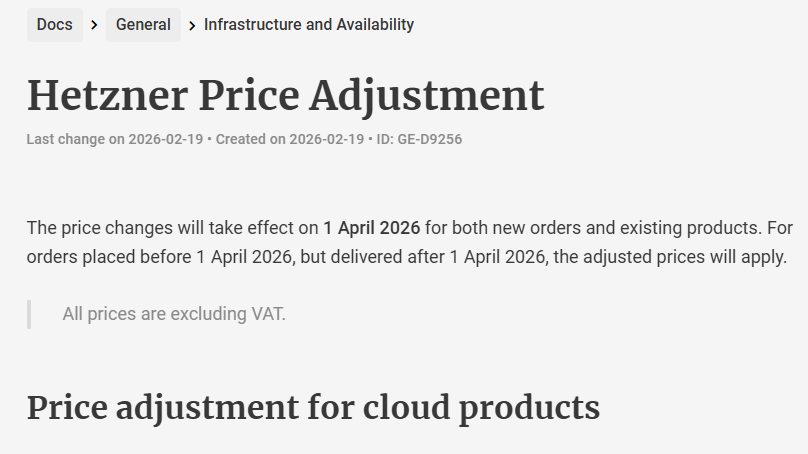
The most eye-catching numbers come from cloud pricing discussed in coverage and community analysis, where increases are described as landing around 30% in some cases and rising to as much as 37% for certain tiers. The exact pain depends on what you rent and where, but the overall message is hard to miss: this isn’t a tiny correction, it’s a reset.
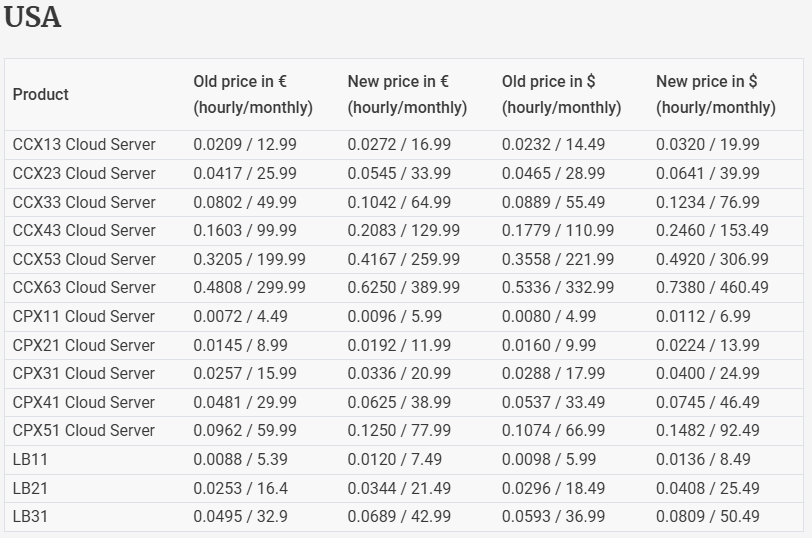
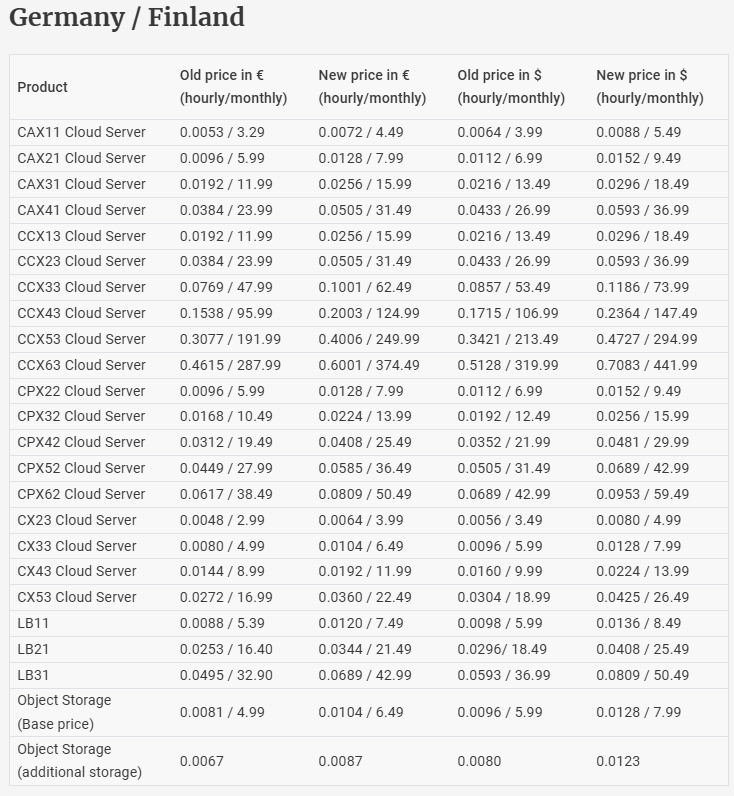
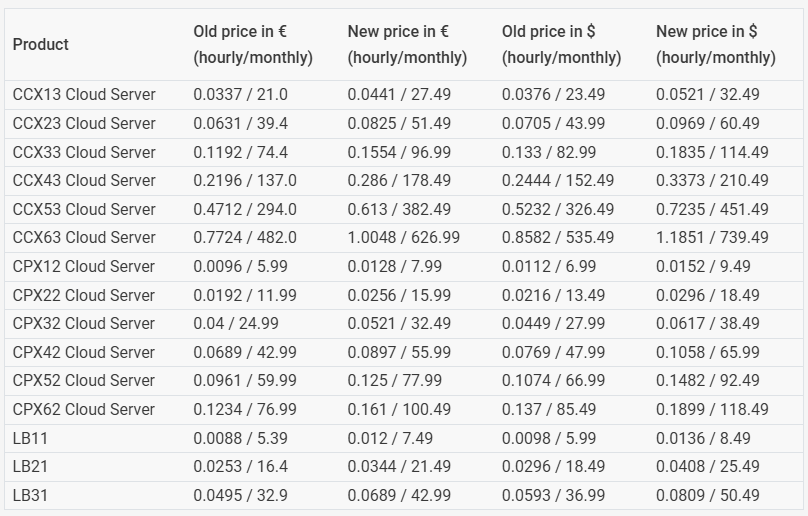
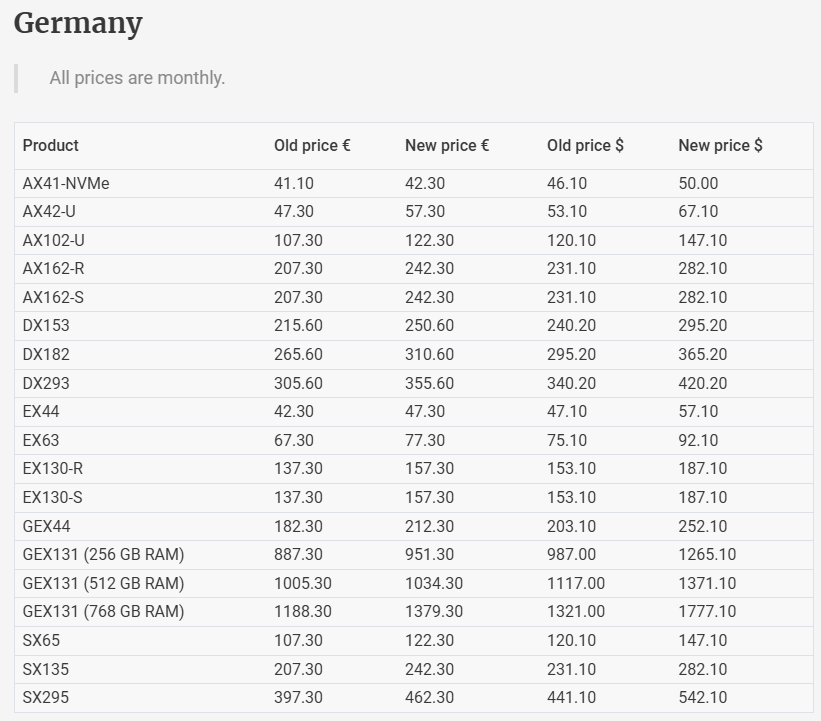
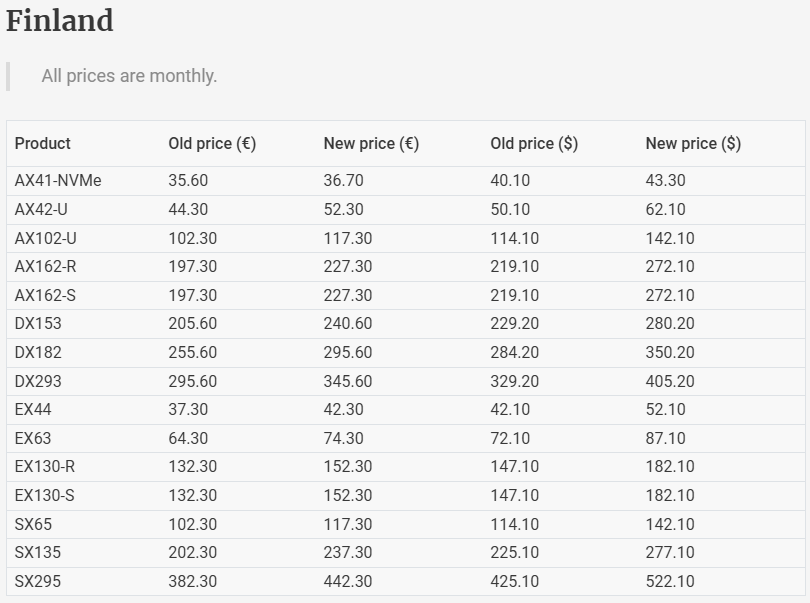
Hetzner’s official explanation is simple and blunt. The company says there have been “drastic price increases” in the IT sector, and that both day-to-day infrastructure operating costs and the cost of buying new hardware have climbed “dramatically.” They also claim they’ve tried to hold prices down through optimization for as long as possible, but can no longer absorb the pressure without adjusting what customers pay.
The hardware angle is the one Hetzner leans on most, and it’s also the one that triggers the fiercest reaction. When a provider says “hardware costs,” many customers hear: memory, CPUs, storage, replacement parts, and the whole supply chain behind them. The press write-up links Hetzner’s move to the wider market where component pricing can swing hard when demand spikes. That logic works on paper: if new equipment costs a lot more than it did a year ago, the future cost of running a fleet rises too.
But the emotional flashpoint is that Hetzner is not limiting the hike to brand-new machines. On Reddit, the repeated complaint is essentially: “Why are you charging more for something already installed and already paid for?” People argue that if the problem is today’s component pricing, then raise prices on new orders, not on existing rented servers. You see the anger sharpen into sarcasm when users compare modern component costs to older systems they’re still renting, asking how DDR5 market prices are supposed to justify increases on ancient boxes.
Here’s the uncomfortable middle ground: both sides are talking past each other, and both sides have a point. Customers are thinking in terms of a specific machine: it exists, it’s running, the parts are inside it, so why should the rent jump now? Providers are thinking in terms of a living system: power, cooling, network capacity, staffing, failures, spares, and replacements that must be bought at current market prices when old hardware dies. Even if your server is old, the company still has to keep the platform around it alive – and the moment replacement capacity becomes more expensive, the “average cost to serve” rises across the board.
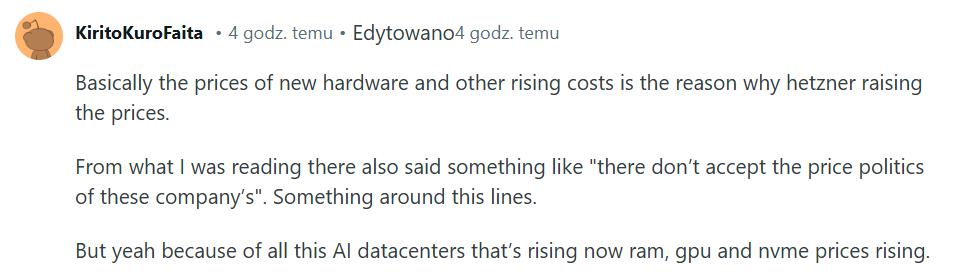
None of that makes it feel good for the businesses caught in the middle. If you sell VPS, hosting, managed services, game servers, or storage built on top of Hetzner, an upstream jump like 37% doesn’t land as a spreadsheet problem – it lands as a survival problem. Many small providers set their pricing months in advance, often annually, and can’t instantly pass through costs without detonating customer trust. This is exactly what some operators say in the Reddit thread: they’re not angry only because the bill is bigger, but because their pricing model and promises to customers suddenly don’t match reality.
That’s how price hikes at the infrastructure level leak into the real world. End customers of a hosting company might never hear the name “Hetzner,” but they will notice the consequences: higher renewal prices, fewer “cheap entry” plans, tighter resource limits, and providers nudging people toward longer commitments to stabilize cash flow. When margins get squeezed fast, companies start cutting what they can before they raise what they must – and users feel it as a slow loss of comfort: fewer extras, stricter limits, less flexibility.
There’s another issue that shows up between the lines: the fear of being trapped. Some Reddit comments point to capacity pressure and difficulty scaling in certain locations, and when a vendor gets more expensive at the same moment it feels harder to move, customers don’t read it as “market conditions.” They read it as “you don’t have a choice.” Whether that perception is fair or not, it’s powerful – and it’s the kind of feeling that sticks long after the first invoice lands.
Hetzner frames this change as necessary to maintain service quality under rising costs, and the company’s documentation is clear about the date and scope. What remains unclear to many customers is the one question that decides whether this is a one-time shock or the start of a new normal: if the market cools down later, do prices ever come back down? The public messaging doesn’t promise that.
For a lot of people, that’s the real loss. Not the money itself – though 37% is not small – but the feeling that a “stable, affordable base layer” just turned into another moving target. And once infrastructure stops feeling predictable, everyone above it pays the price in stress: the provider, the resellers, and finally the customers who just wanted their websites and services to keep running without drama.

Kamil Kołosowski
Author of this post.