

In September 2026, PanelAlpha released Engine 2.0 as open source under the Apache 2.0 license and removed its biggest previous limitation: Engine is no longer built only for WordPress. It is now being developed to deploy and manage any type of project on a server, including applications created with AI and open source software found online. At the same time, it is the first goal PanelAlpha has delivered as part of a much bigger plan: to build the easiest way to host a project on a VPS.
But why did opening the source become part of that plan, and why now? We took those questions to PanelAlpha Founder and CEO Konrad Keck when we spoke with him about the company’s recent changes. The reasons go well beyond simply making the code public.
Key facts
- The release: PanelAlpha Engine 2.0 was released in September 2026 under the Apache 2.0 license. The Engine is no longer limited to WordPress and is being developed to deploy and manage any type of project on a VPS.
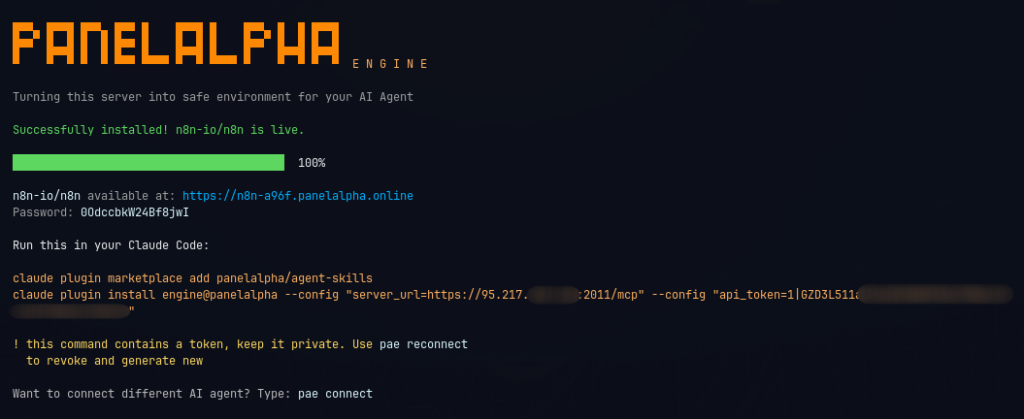
- How it works: The user installs Engine on a VPS, connects the AI assistant they already use and gives it a project repo. Engine identifies what the application needs, sets it up and keeps it running. Later changes can be requested in natural language instead of translated into server commands.
- Why open source: Supporting many different stacks, repositories and real-world configurations is a much broader problem than supporting WordPress alone. PanelAlpha wants hosting providers, developers and self-hosters close to the development process so real deployments can directly influence what Engine supports next.
- Why now: Vibe coding and AI-assisted development are putting software creation within reach of a much larger group of users, while open source gives them more ready-made software to run. GitHub reported almost 694,000 new AI repositories in 2025, with 60% of its fastest-growing open source projects focused on AI.
- For hosting providers: PanelAlpha sees Engine as a way to make existing VPS infrastructure easier to sell to this new group of builders without copying the PaaS model. Providers can offer servers with Engine already installed, build managed services around applications and test the model without adding another commercial control panel license to every server.
From WordPress hosting to a much broader use case
That is a significant change for a company that spent its first four years focused almost entirely on WordPress. PanelAlpha was created mainly for hosting providers and agencies, with automation, an intuitive client panel and Engine as the server environment, all built around a single system the team knew inside out.
But as vibe coding made software easier to build, more people started creating applications without knowing how to run them on their own servers. That made PanelAlpha look at Engine differently. Keeping it tied to WordPress meant limiting the benefits to only one part of the market, while the technology could solve many of the same problems for completely different projects. That is when work began on what we now know as Engine 2.0.
The biggest change for the user is in how little they need to do to get started. One command installs PanelAlpha Engine on your VPS and starts deploying the project from the Git repository you provide. Engine then figures out what the application needs, prepares the right environment and keeps everything running. After that, you can connect the AI agent you already use and manage the project using natural language. You do not need to translate every change into server commands or work out what has to be adjusted yourself. You just tell your AI assistant what you want to happen, and Engine takes care of the rest.
Why make the Engine open source?
Supporting WordPress is a fairly limited problem compared with supporting almost anything somebody can put in a Git repository. Different stacks, frameworks and unusual configurations will inevitably create cases PanelAlpha’s own team could not see coming. That is one reason widening Engine and opening its source had to happen together.
Getting real users close to development also means allowing hosting providers, developers and self-hosters to influence what the Engine needs to support next. Real deployments, bug reports and missing use cases can translate almost directly into improvements for the next version.
Open source also matches what many self-hosters care about most: control. They want to know where their projects run, keep control over the infrastructure and retain the option to change providers or modify the tools around it. Engine does not put another platform between the application and the server, and its open source model keeps that layer open to inspection and development by the community.
The case for opening the source now
The timing reflects a much broader change in open source. AI-assisted development and the rapid rise of vibe coding are producing a new wave of people creating, modifying and running software. GitHub reported nearly 694,000 new AI repositories in 2025, with six of its ten fastest-growing open source projects focused on AI. That does not mean every one of those repositories was vibe-coded, but it shows the scale of the same trend: substantially more software is being created around AI, and open source is one of the places where that activity is growing fastest.
That creates a peculiar infrastructure problem. It has become easier to find an open source project, fork it, change it with an AI coding agent or create something new from scratch. It has not become equally easy for the same person to run that project properly on a server. Opening Engine is meant to help close that gap.
What Engine changes for hosting providers
CloudLinux’s 2026 industry survey found that VPS and dedicated servers were the segment hosting providers most often identified as their biggest growth opportunity over the next two to three years. At the same time, price sensitivity remains one of the most common reasons for customer loss. AI-built applications add another version of the same challenge: if the easiest next step is to send a project to a PaaS platform, that person may never become a VPS customer at all.
This is where PanelAlpha sees an opportunity to work with hosting providers rather than compete with them for the infrastructure layer.
- A VPS with Engine already installed could give existing products a clearer use case for AI-assisted builders.
- Customers get a simpler route onto infrastructure the provider already operates.
- Hosting companies can build higher-value managed services instead of competing only on CPU, RAM and storage.
There is also a defensive element. Hosting companies have spent years watching some of the easiest customer experiences move toward SaaS and PaaS products because those products removed technical decisions from the user. Making a VPS easier to use gives traditional infrastructure another way to compete for that customer without trying to copy the PaaS model.
What comes next for PanelAlpha
PanelAlpha’s roadmap follows the same direction, with the open source Engine being only the first step. The company is also expanding PanelAlpha’s control panel beyond WordPress and plans to rebuild its Multi Server edition around the same broader use case, with hosting providers remaining one of the main routes through which the technology can reach end users. In that model, the role of hosting providers is not only to supply the server, but to make owning and using that server simple enough for the new generation of builders. If they can do that, convenience and control may finally stop pulling in opposite directions.
