

If you run a web hosting business or infrastructure service, you likely know Upmind. It is a SaaS billing and provisioning platform positioning itself as a modern alternative to legacy mainstays like WHMCS, Blesta, and HostBill.
Now, Upmind has announced a major shift: a complete ground-up rebuild called Upmind Tempo, targeted for release in early 2027. Co-Founder and CPO Chris Garner frames Tempo not as a version update, but as the next generation of their platform. In software terms, that distinction matters. This is not an incremental feature patch layered onto aging code. It is an entirely new core engine.
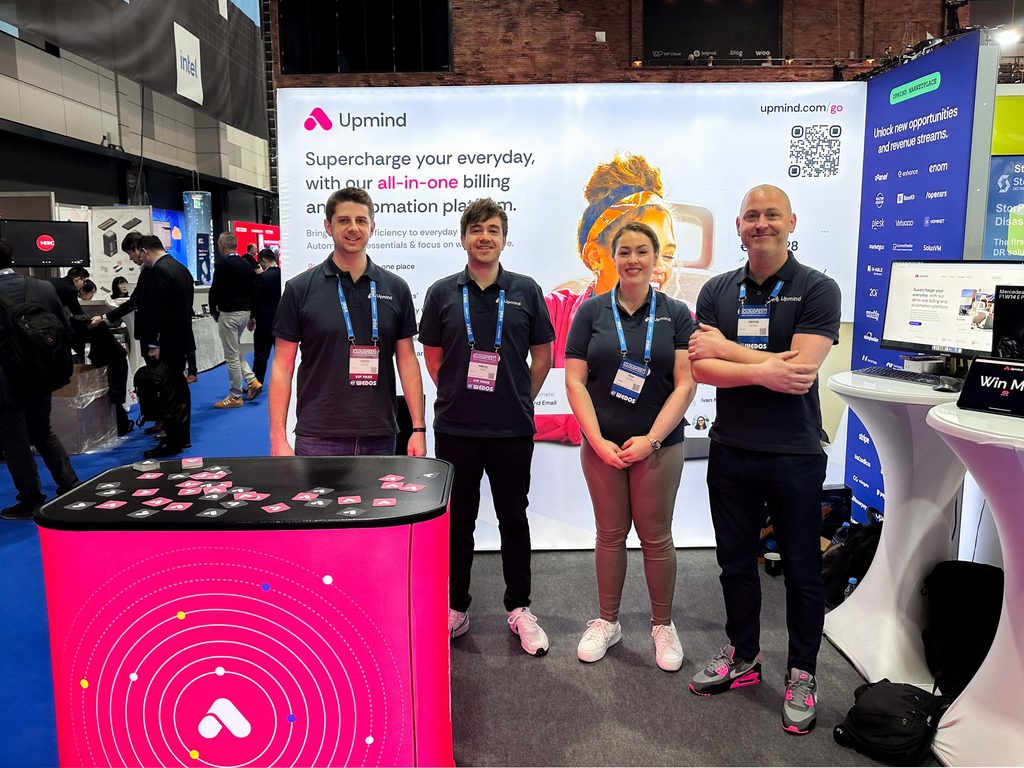
A Quick Personal Take from the Trenches
Having used (and still happily using) Upmind firsthand on several projects and recommended it to peers, I have seen where it shines and where it hits growing pains. Depending on who you talk to, some providers need an on-premise installation, which Upmind can handle for larger enterprise partners. Others thrive on the turn-key hosted solution.
However, earlier iterations left a few noticeable gaps on the wish list. These included deeper native integrations with platforms like Proxmox, or a broader selection of regional payment gateways out of the box. What makes Tempo particularly interesting is its promise to solve this exact friction. It aims to make third-party integrations and custom workflows radically easier to build and deploy.
Edge Performance and Decoupling Billing from Delivery
Beyond integrations, the architectural changes behind Tempo target several long-standing industry headaches.
For starters, Tempo will run natively at the edge. This keeps processing closer to end users for faster performance and lower latency. But the most significant logical shift is decoupling the billing period from the service delivery period.
Most legacy hosting billing systems assume that billing and service cycles are identical. When they are not, you end up wrestling with complex manual adjustments, clunky credit notes, and tedious workarounds for mid-term upgrades or custom client terms. By separating billing from service delivery at the database level, those edge cases become standard operations.
This foundation unlocks true pricing flexibility. It allows hosters to seamlessly blend recurring, usage-based, volume, and tiered pricing without hacking the system.
Configuration Over Code
The second major push in Tempo is moving commercial setup away from custom development and into an intuitive administration catalog.
- Dynamic Packaging: Product options, conditional pricing, and add-ons are strictly configuration-driven. Teams can build and adjust bundles on the fly.
- Smarter Promotions: A revamped discount and incentives engine replaces the clunky add-ons typically patched together after launch.
- Native Provisioning: Provisioning sits inside the core engine rather than as an external plugin. It offers guided setups for connecting underlying infrastructure providers.
Global Scale, Multi-Brand, and Pure API-First
For providers operating across borders, multi-currency balance reporting and tax compliance are usually where software starts to break down. Tempo handles multi-country selling as a baseline feature. It holds and reports balances in the currency in which they were collected, while natively handling e-invoicing, tax rules, and identity verification.
For portfolio operators, Tempo allows multiple distinct brands to be managed from a single dashboard. Each brand can have its own storefront, domain, and currency.
Underneath it all lies a strict API-first design. Every feature in Upmind’s official admin panel, checkout workflow, and client portal runs through the exact same open API available to third-party developers. If you want to craft a custom checkout flow or client portal, nothing is held back behind proprietary internal code.
Why It’s Worth Keeping on the Radar
Because Tempo is currently pre-launch, standard software rules apply. Treat early announcements as a strategic direction rather than a locked specification. Ground-up rebuilds notoriously face timeline shifts, and early 2027 is still a way off.
Yet, the direction of travel is compelling. Decoupling billing from delivery, elevating usage-based pricing to a first-class feature, and designing deep cross-border compliance directly into the core reflect exactly where cloud and hosting billing need to go.
We will be keeping a close eye on Tempo as development progresses. In the meantime, Upmind is accepting early registrations of interest for priority launch access at tempo.upmind.com.
